



There comes a point when you realize your roommate is not “going through a phase.” The dishes have become permanent residents, the bathroom smells suspicious, and your groceries keep disappearing like they joined witness protection.
Maybe they moved out peacefully. Maybe you had to gently explain that paying rent is not optional. Either way, the roommate is gone—but their half of the rent is not.
Before inviting another stranger into your home, consider making the spare room earn money instead.
And no, we are not talking about Airbnb. Constantly washing sheets for festival tourists is not passive income. It is running a tiny hotel with worse parking.
Here are the best ways to replace a roommate without replacing the roommate
1. Turn It Into a Private Office
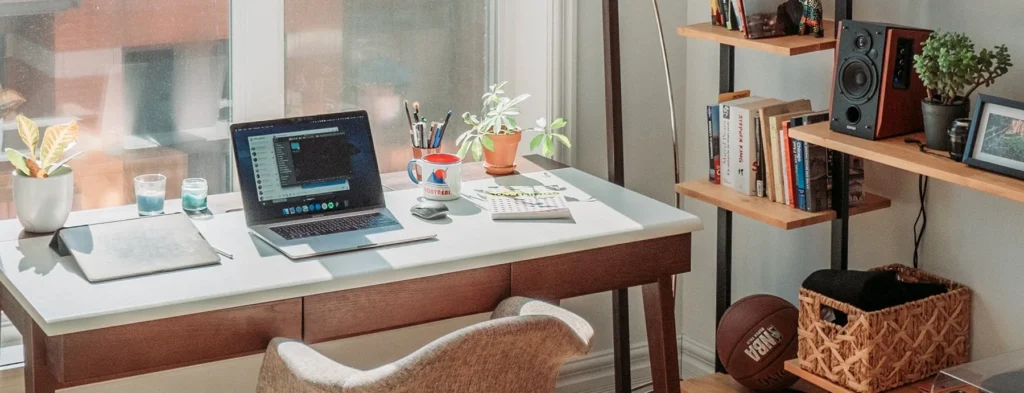
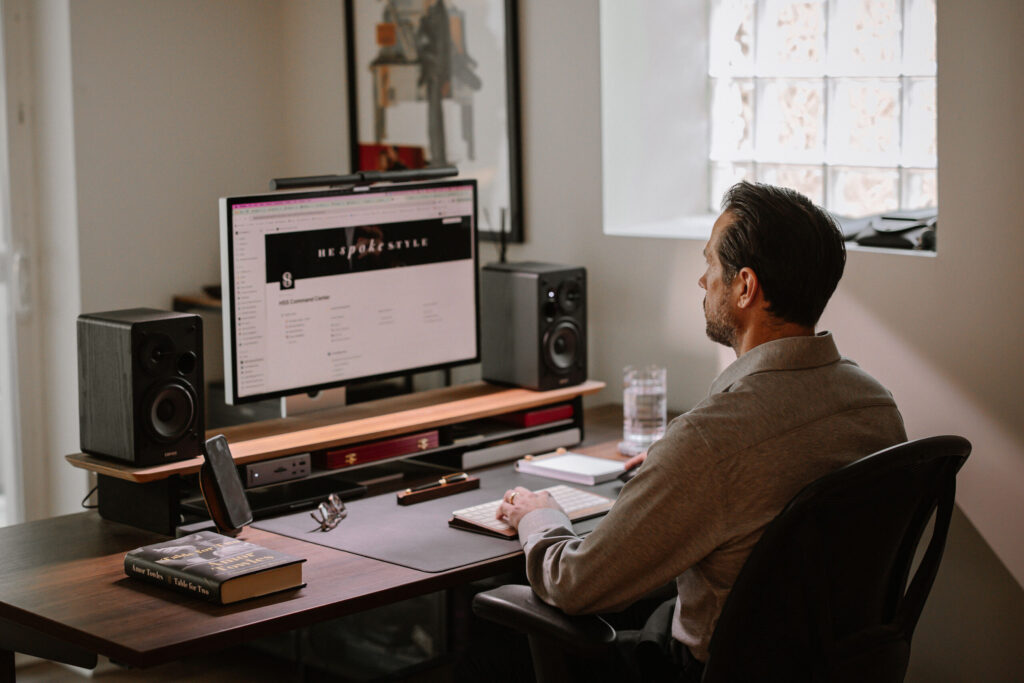
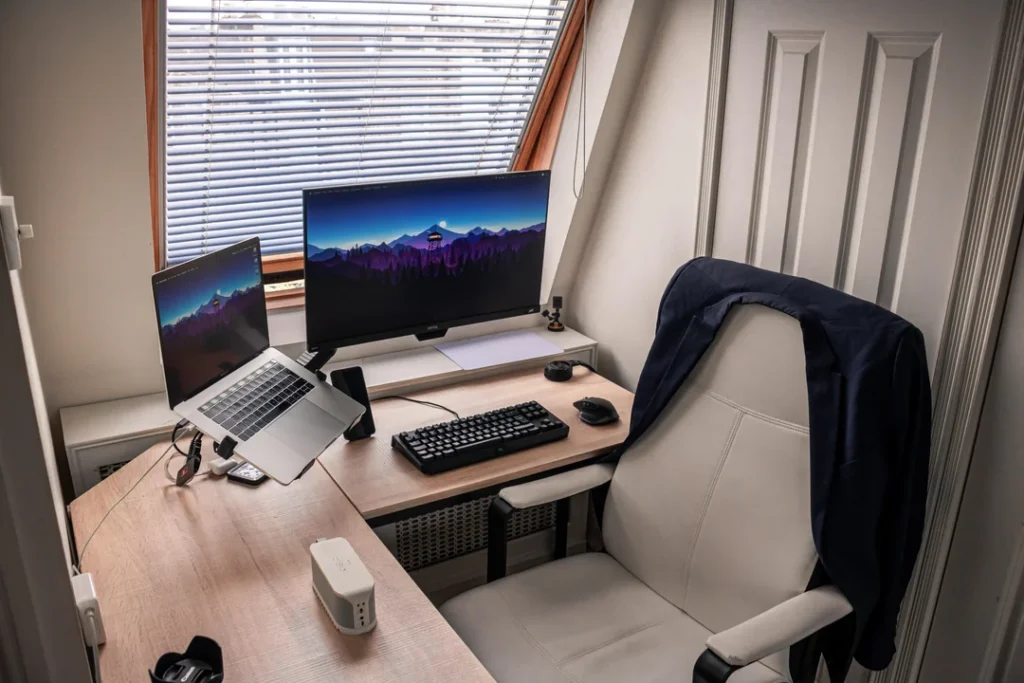
Remote workers often need quiet space away from children, pets, construction noise and partners who interrupt Zoom calls to ask where the charger is.
Add a desk and a comfortable chair for under $45, strong Wi-Fi and a monitor. Then rent the room to one professional during weekday hours.
One regular customer is better than a revolving door of strangers. They arrive, work quietly and leave without touching your leftovers.
This arrangement works best when the office user does not need clients coming through the apartment. The fewer unfamiliar people wandering past your bathroom, the closer you remain to the original goal: earning roommate money without acquiring roommate problems.
2. Build a Podcast, Self-Tape or Content Studio

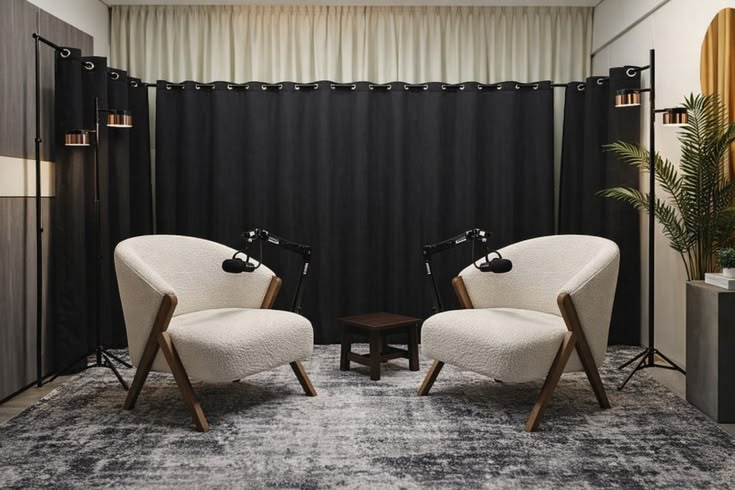
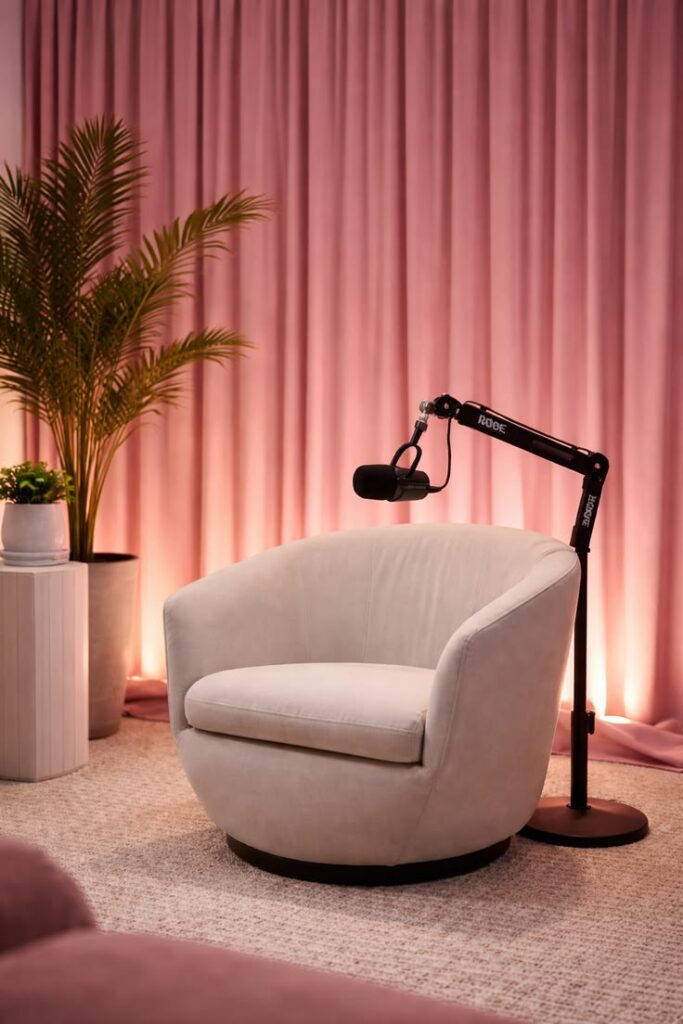
A spare bedroom can be surprisingly valuable to people who need professional-looking content but do not need an entire production facility.
Actors need self-tapes. Real-estate agents need market updates. Small-business owners need product videos. Podcasters need somewhere that does not sound like they recorded inside a refrigerator.
A basic room could include flattering lights, a tripod, clean backdrops, a microphone, a chair and simple sound treatment. It does not need to look like a television studio. It just needs to look better than someone’s kitchen with an air fryer visible behind them.
You could rent the space by the hour or offer assisted packages. An actor may pay more if you operate the camera, read lines off-screen and send an edited file. A business owner may pay more for lighting, filming and several short social-media clips.
The room itself has value, but your help can be what pushes the income high enough to replace a roommate’s rent.
There is also a satisfying irony in turning the former bedroom of someone who never paid on time into a studio that bills by the hour.
3. Rent It as a Dedicated Workspace to a Stylist or Creative

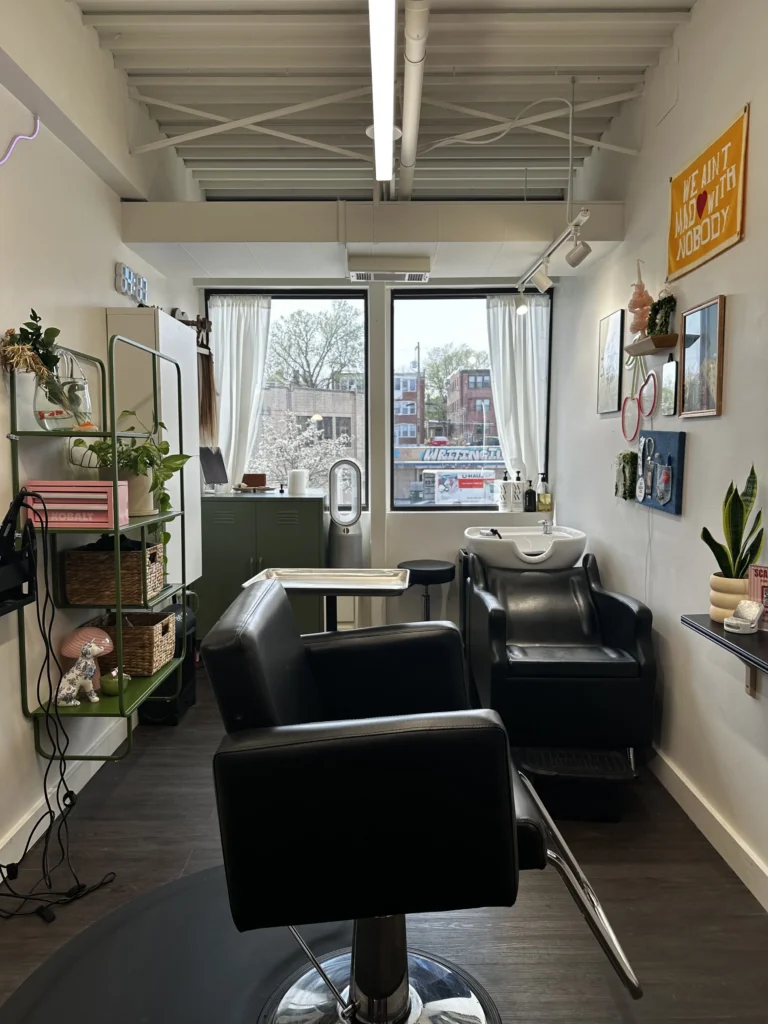
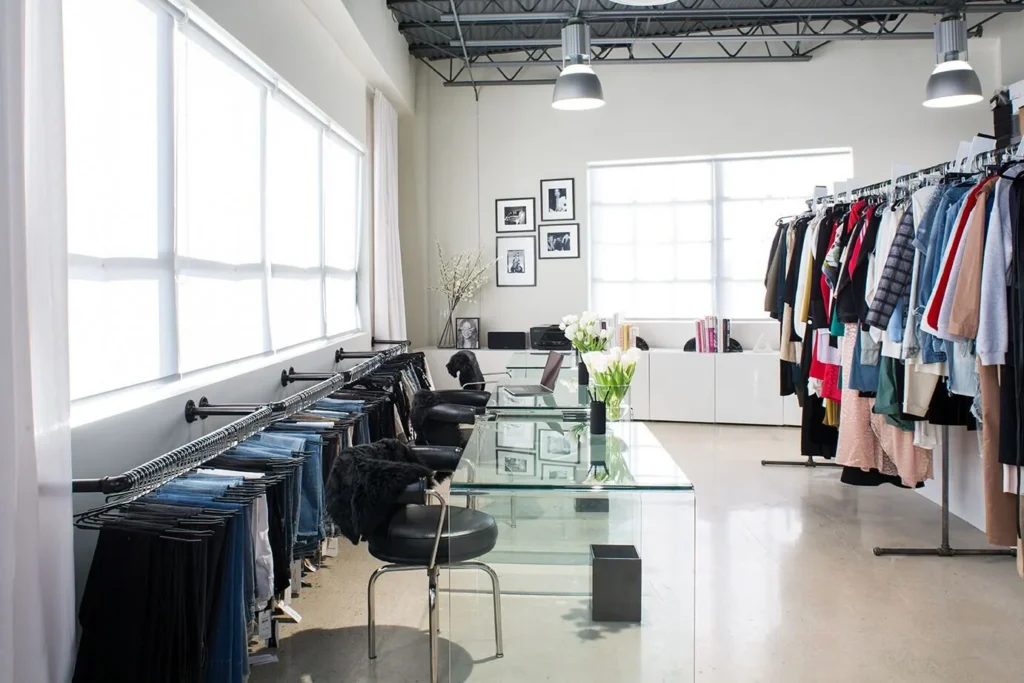
A fashion stylist, online boutique owner, photographer or designer may need a small workspace without paying for a full commercial studio.
Add garment racks, shelving, a mirror, steamer and worktable. The room can be used for fittings, content creation, inventory or preparing looks for photo shoots.
A recurring monthly agreement usually works better than random bookings.
Just establish rules before a mannequin named Denise becomes a permanent tenant.
4. Offer Secure Storage to One Carefully Chosen Customer
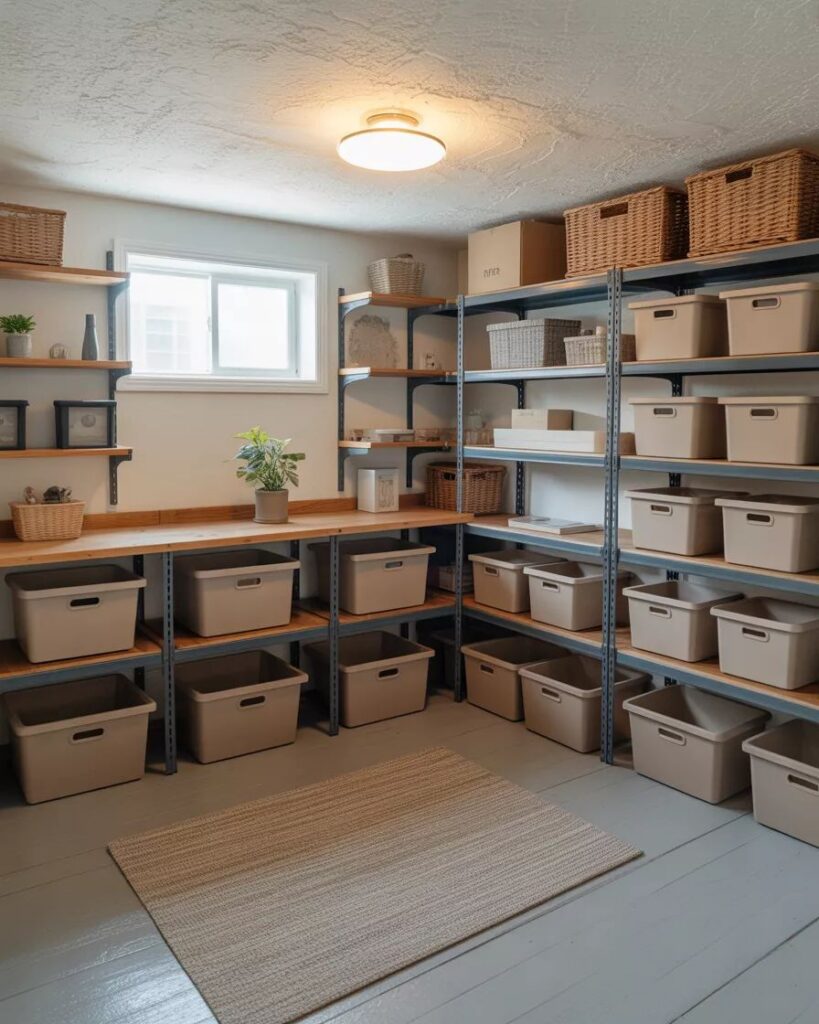
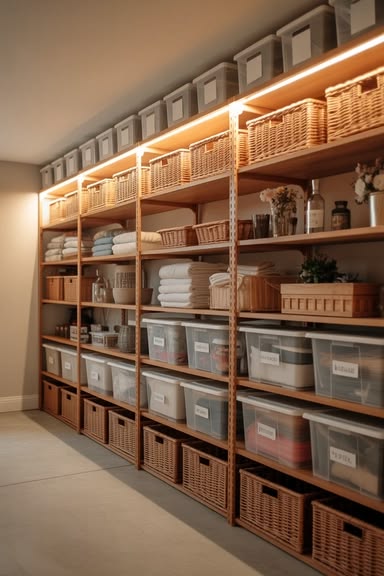
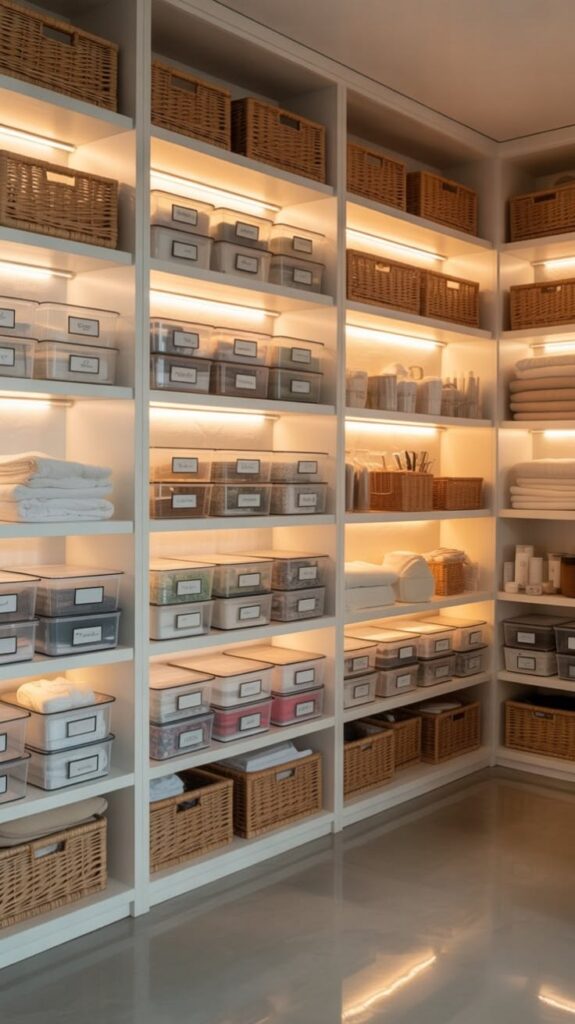
A clean, dry spare bedroom can be rented to one trusted person or small business for storage.
This option is simple, quiet and requires little daily involvement. However, it may only cover part of the missing rent.
Use a written agreement, photograph everything being stored and ban food, chemicals, flammable items and anything described only as “some personal stuff.”
5. Create a Tutoring, Coaching or Virtual Consultation Room


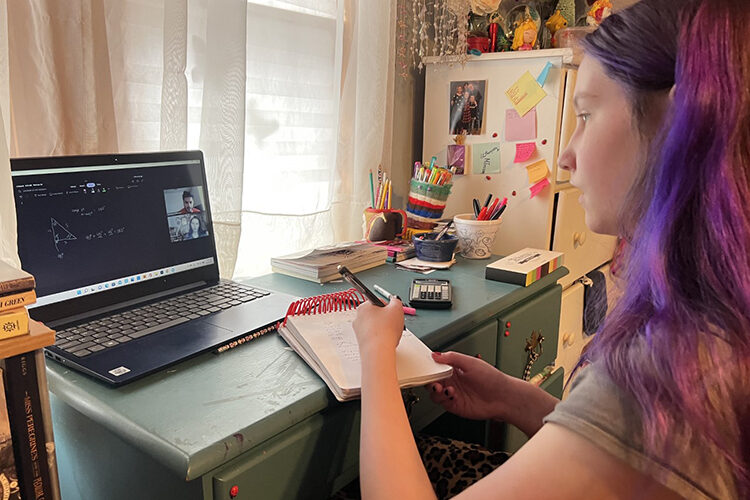
The room could become a space for tutoring, acting lessons, career coaching, language instruction or virtual consultations.
Virtual sessions are easiest because clients never need to enter your apartment.
A few paid sessions each week may earn more than simply renting out the room. The downside is that the room now comes with a job.
Still, jobs generally pay more reliably than your former roommate did.
The financial advantage is simple. A room rented for storage might earn a few hundred dollars per month. A room used for a professional service can support several thousand dollars in monthly business revenue, assuming you have the expertise and customers.
6. Use It as an E-Commerce Headquarters
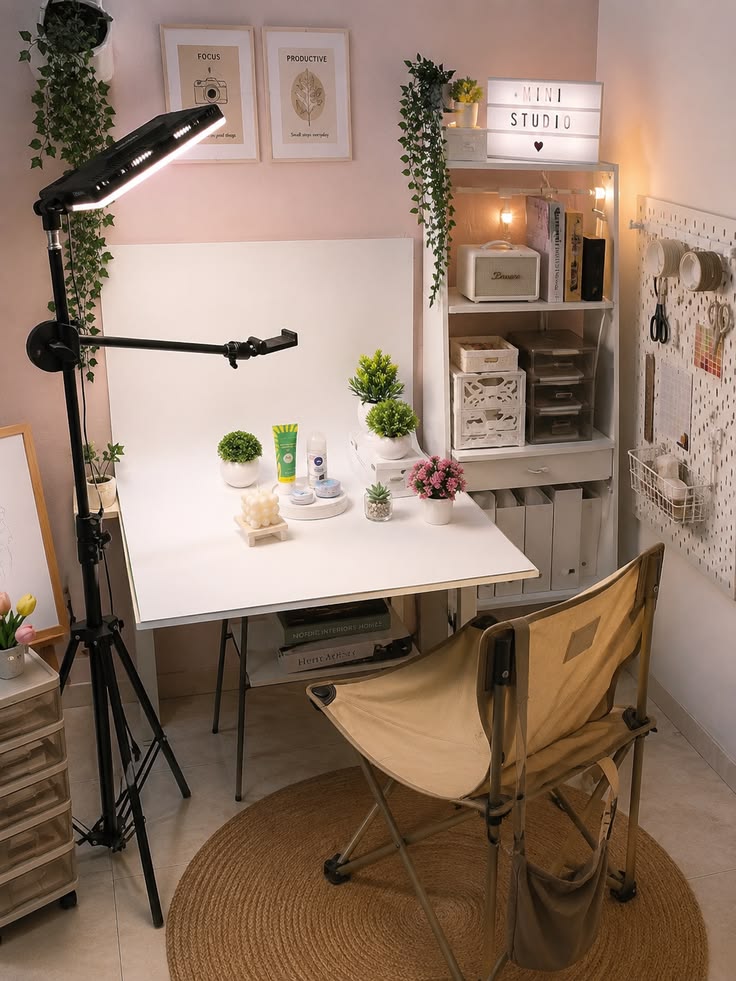

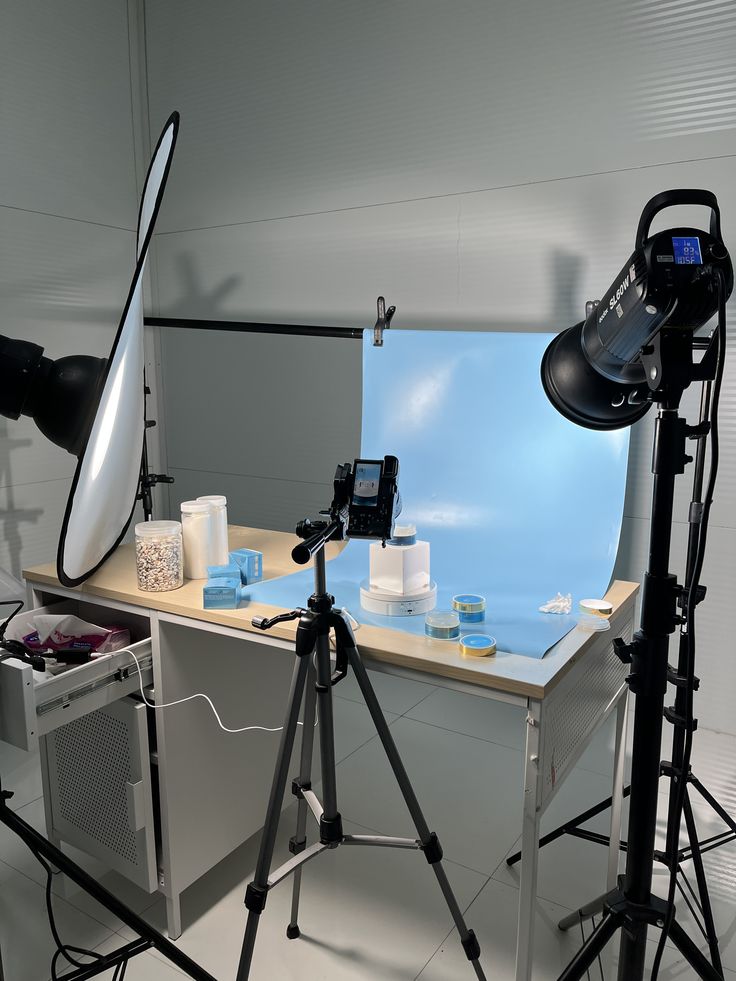
Use the room for inventory, product photography, packing and live-selling videos.
You could sell clothing, accessories, books, collectibles, décor or curated products online.
This is not passive income, but it offers a much higher earning ceiling. It also keeps strangers out of your home, which may be the entire reason you threw the roommate out in the first place.
Still, an e-commerce room keeps your home private and avoids the complications of renting access to strangers.
It also gives the room a clear purpose. Rather than sitting empty as a shrine to the unpaid electric bill your former roommate left behind, it becomes the headquarters of something potentially profitable.
7. Combine Two Uses
One idea may not replace the entire rent payment. Two might.
For example:
- Rent the room as a weekday office
- Use evenings for self-tape or podcast bookings
- Store business inventory on shelving
The room does not need one job. It needs a schedule.
Before the Room Starts Working
Do not launch a business, invite clients inside or accept money for storage before reading your lease.
Many rental agreements restrict subletting, business activity, alterations, additional locks, frequent guests or commercial use. Even when an idea seems harmless, your landlord may view it differently.
Get written approval when necessary. Check local home-business and zoning requirements. Review renters insurance and ask whether business equipment, customer property or client injuries are covered.
Also establish boundaries in writing. Define access hours, payment terms, allowed activities, guest rules, security procedures and responsibility for damage.
The goal is to avoid replacing one difficult roommate with an equally difficult customer who technically does not sleep there.
The Real Luxury Is Privacy
A roommate helps pay the rent, but they also use your kitchen, invite people over and leave one teaspoon of milk in the carton.
An income-producing spare room takes planning. But it may allow you to keep your privacy while still covering the bills.
You may not miss the roommate. You may not even miss their portion of the rent once the room begins earning it.
And the best part? A podcast microphone has never borrowed your jacket, eaten your leftovers or asked whether it could “catch you next Friday.”










+ There are no comments
Add yours